
Introduction
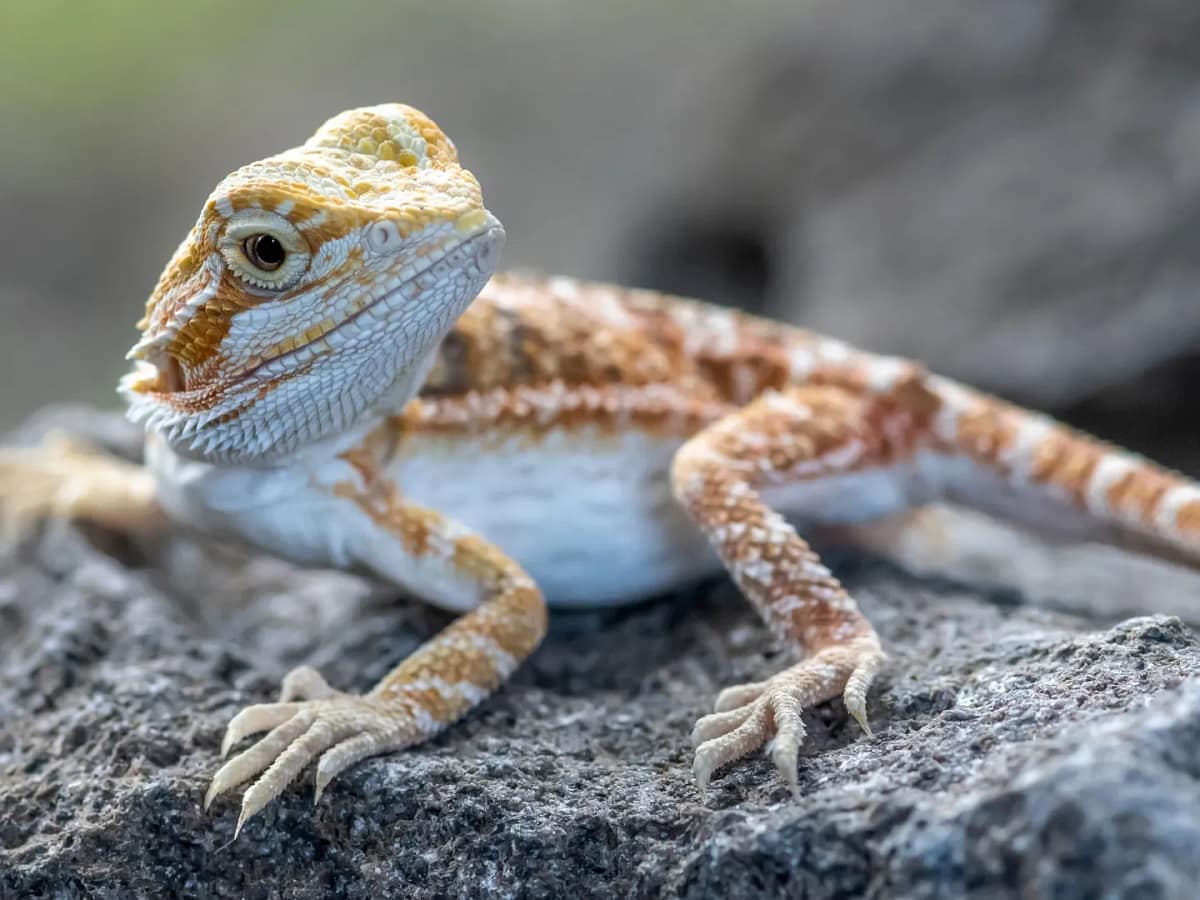
The care of a 1 month old bearded dragon is like taking care of a newborn baby, but this reptile can be able to move around quite quickly. They are small but they are also very swift and incredibly dependent on the space you provide for your beardie.
From this age, every small thing matters including the food, temperature, and UVB and even the frequency you monitor them. Most new reptile owners are scared when they don’t feed their bearded dragon or hide more than they normally would, however, it is all part of the process of learning.
A just 1 month old bearded dragon develops rapidly and can be extremely tough if you keep it up in a manner that is consistent and stick to a fixed routine. This guide will walk you through the entire process step-by-step, so that you won’t get confused.
Understanding Your 1 Month Old Bearded Dragon
Normal Size, Weight & Activity Levels
A healthy 1 month old bearded dragon generally measures between 4 – 5 inches in length and is almost as if it’s weightless in your hands. The majority weigh just a couple of grams around the same weight as paperclips.
So it’s easy to think you will be hurt by accident. Be assured that they are not too heavy however they are not brittle glass.
As you get older the most reliable indicators of good health are clear eyes, a rapid response to movements and a fervent desire to hunt for insects.
Quick Reference: Healthy Signs
- Clear eyes
- Fast reaction to movement
- Strong hunting response
- Short bursts of energy
- Regular naps
Warning Signs
- Lethargy
- Slow growth
- Sunken spots
- Possible dehydration or parasites
Early Behavior & What New Owners Should Expect
Many owners are shocked when a 1 month old bearded dragon is agitated or flies away. Babies aren’t able to trust easily as they are still learning about everything.
Expect them to be sat in a trance and chasing tiny food items and squirming when they are unsure. This pattern is normal.
If you see your baby not basking in the area or settling at a corner for a prolonged time, your temperature or UVB might not be in the right place.
The beginning of life establishes the direction of growth, therefore a consistent method will be more crucial than a perfect one.
Habitat Setup for a 1-Month-Old Bearded Dragon
Heating, UVB, and Safe Substrate
An 1 month old bearded dragon requires a tank that doesn’t change much.
Quick Temperature Guide
- Basking: 110–105°F
- Cool side: mid-80s°F
UVB is crucial to promote healthy growth. A high-quality T5 tube which covers at least half of the enclosure will make a significant difference. Coil bulbs aren’t effective.
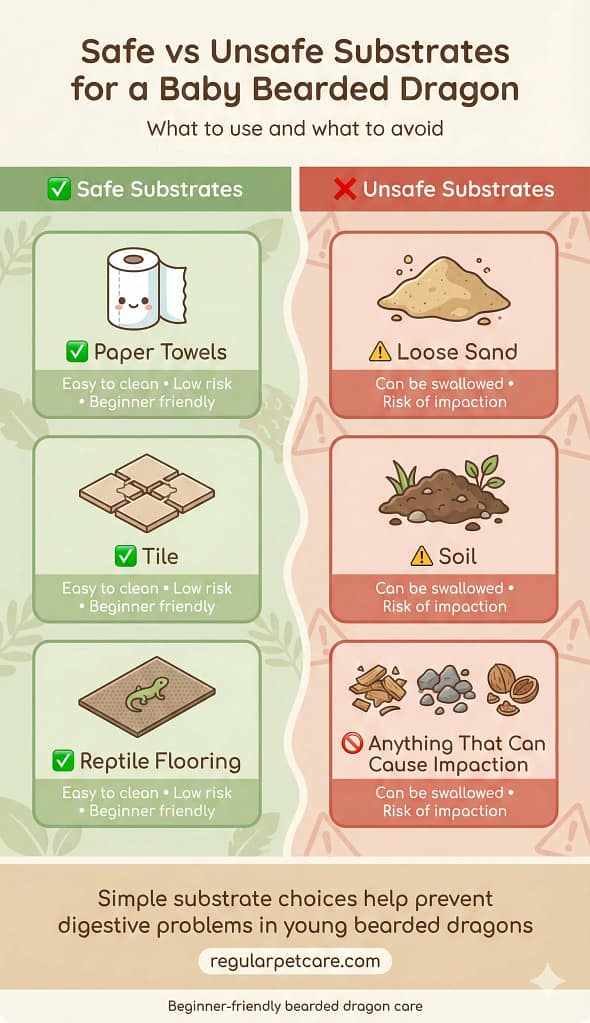
For substrates, it’s best to stick with simple options:
Safe Substrates
- Paper towels
- Tile
- Reptile flooring
Unsafe Substrates
- Loose sand
- Soil
- Anything that can cause impaction
Tank Size, Layout & Climbing Options
There is no need for an over-sized enclosure right now. The 20–40 gallon size tank will keep the temperature stable and allows the 1 month old bearded dragon enough space to explore without becoming lost.
You can add a safe basking branch or a secluded area in the cooler part, and a basic climbing piece or two.
Babies are easily overwhelmed and need to be kept clear of clutter. A tidy, neat arrangement allows them to navigate the area in a safe manner and also aids in keeping the track of their actions and droppings, without needing to make a guess.
Feeding Your 1-Month-Old Bearded Dragon
Daily Feeding Schedule & Insect Variety
A 1 month old bearded dragon excels at feeding. These tiny creatures thrive on a diet which is high in protein. They also eat as fast as.
The concept of providing three to five meals per day could seem excessive at first but it’s a sign of the speed with which they develop.
Quick Feeding Guide
- Feed 3–5 times per day
- Most babies do well with 30–60 insects a day
- Tiny dubia roaches, pinhead crickets, and fruit flies are all good choices
A few times each week can help strengthen bones and avoid early metabolic issues.
Greens, Safe Foods & What to Avoid
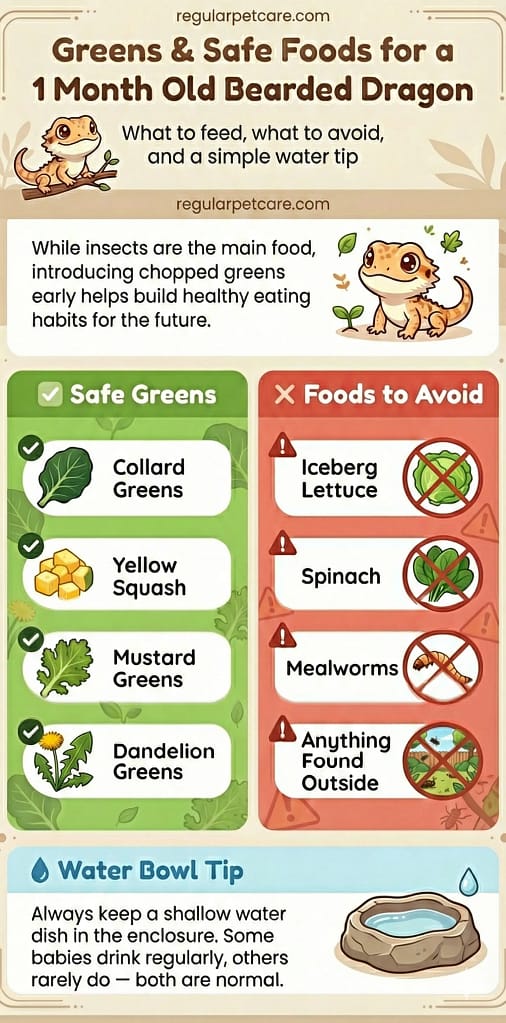
Although their diet is heavily on insects, it’s a good idea to introduce chopped greens as early as possible. The 1 month old bearded dragon may not notice them at first however this habit will pay off in the future.
Safe Greens
- Collard greens
- Yellow squash
- Mustard greens
- Dandelion
Foods to Avoid
- Iceberg lettuce
- Spinach
- Mealworms
- Anything found outside
Make sure to keep a water dish inside the enclosure even if you do not notice the baby drink from it. Some may drink, while others won’t even touch it, and all are normal.
Handling & Early Health Signs
Safe Hydration Methods & Preventing Dehydration
The process of hydrating a 1 month old bearded dragon is all about subtlety. Their bodies are small which means they can dehydrate quickly especially when they are in warmer enclosures.
A gentle mist every day will usually do the trick. Some babies beg for drops of water to lick off their snouts.
Sometimes, a bath that is warm and shallow may help too—however, only for a short period at a time.
Dehydration Signs
- Wrinkled skin
- Darkened coloration
- An inability to eat
These signs usually show up before the onset of a serious problem.
Handling Tips & Warning Signs to Monitor
Hands must be handled gently and slowly. At this stage the 1 month old bearded dragon might see your hand as a threat instead of an ally.
Begin by putting your hand in the tank, but not touching it, and letting them be used to the idea of your presence. Gradually increase the intensity to quick lifting while supporting their entire body.
Warning Signs
- Black beard
- Hiding suddenly
- Swollen stool
- Sudden change in appetite
Babies do not have a lot of physical “buffer,” so early medical attention could make a big difference.
Conclusion
Growing the 1 month old bearded dragon is a mixture with structure and observation and some patience.
When you have established the proper temperatures, increase the UVB arrangement, feed your dragon regularly and provide moderate hydration, your little dragon will strengthen each week.
The first few days of life are more important than you think. They help determine the strength of bones as well as immune health and the way you behave later in life.
If you’re just beginning to care for a new beardie please feel free to share the things that have been working (or making you feel stressed!). Your experiences can help a new bearded dragon keeper feel more comfortable taking care of their own 1 month old bearded dragon.